
Famous Historical Figures Who Loved Gambling
Gambling has been part of human culture for thousands of years, appearing in ancient civilizations, royal courts, and social gatherings across the world. While today’s gambling landscape includes advanced digital platforms and online entertainment, the appeal of games involving chance, strategy, and decision-making has remained consistent throughout history. Many influential figures from different eras participated in gambling activities, viewing them as sources of entertainment, social connection, and intellectual challenge. From political leaders to literary geniuses, these personalities reveal how gambling has long been connected to human curiosity, competition, and risk-taking.
Gambling Traditions Among Historical Elites
Throughout history, gambling was a common feature of aristocratic gatherings, royal celebrations, and private social events. Members of wealthy and influential circles often participated in card games, dice games, and other betting activities as forms of entertainment. These gatherings were not only about competition but also about networking, conversation, and maintaining social connections. Modern platforms continue to reflect some of these traditional entertainment elements by creating spaces where games, interaction, and leisure come together in a digital environment.
Napoleon Bonaparte and the Role of Strategy in Gambling
Napoleon Bonaparte was famous for his ability to analyze situations, anticipate outcomes, and make calculated decisions. Those same qualities influenced his interest in card games and other forms of gambling popular during his lifetime. For Napoleon and many figures of his era, gambling was not simply about luck but also involved reading opponents, managing risk, and understanding probability. His interest highlights how games of chance were often viewed as exercises in strategy among members of European society.
Winston Churchill’s Enjoyment of Competitive Card Games
Winston Churchill developed a reputation as a passionate participant in social card games throughout his life. He enjoyed games such as poker and other competitive activities that brought people together in informal settings. Churchill’s approach to gambling reflected the social side of these pastimes, where conversation, competition, and friendship were often just as important as the outcome of the game. His experiences demonstrate how gambling has historically served as a form of recreation among influential personalities.
Fyodor Dostoevsky and the Psychological World of Gambling
Fyodor Dostoevsky had one of the most well-known personal connections to gambling in literary history. His fascination with roulette and the emotional struggles surrounding gambling heavily influenced his writing, especially his novel The Gambler. Dostoevsky explored themes such as temptation, obsession, hope, and desperation, providing a deeper look into the psychological impact of gambling. His work remains an important example of how personal experiences with games of chance can influence creative expression.

Artists, Performers, and the Attraction of Risk
Creative individuals have often been drawn to gambling because of its connection with uncertainty, emotion, and human behavior. Many artists and performers enjoyed casino environments and games of chance as part of their social lives. The excitement of unpredictable outcomes often appealed to creative personalities already comfortable with experimentation and risk. This connection between gambling and creativity has continued to appear in literature, film, music, and popular culture.
How Historical Gambling Influenced Modern Entertainment
The gambling habits of famous figures helped shape the way society viewed games of chance over time. What began as informal gatherings and traditional games eventually developed into organized casinos and today’s digital entertainment platforms. Historical examples show that gambling has always adapted to changes in technology and culture while maintaining its core appeal of competition, anticipation, and decision-making. The transition from physical games to online experiences reflects how long-standing traditions continue to evolve for new generations.
The Legacy of Famous Gamblers Throughout History
The stories of historical figures connected to gambling reveal a complex relationship between entertainment, personality, and culture. Some viewed gambling as a strategic challenge, while others found inspiration or social enjoyment through these activities. Their experiences show that gambling has been a recurring part of human history, influencing everything from literature and politics to social customs. By examining these figures, we gain a broader understanding of how games of chance have remained relevant across different societies and time periods.
Famous historical figures who enjoyed gambling demonstrate that games of chance have always been more than simple pastimes. For many leaders, writers, and artists, gambling represented strategy, entertainment, social interaction, and even creative inspiration. Although the ways people gamble have changed dramatically over time, the underlying appeal of competition and uncertainty continues to connect traditions with modern entertainment. The history of gambling is ultimately a reflection of humanity’s enduring fascination with risk, reward, and the excitement of the unknown.
Related Post
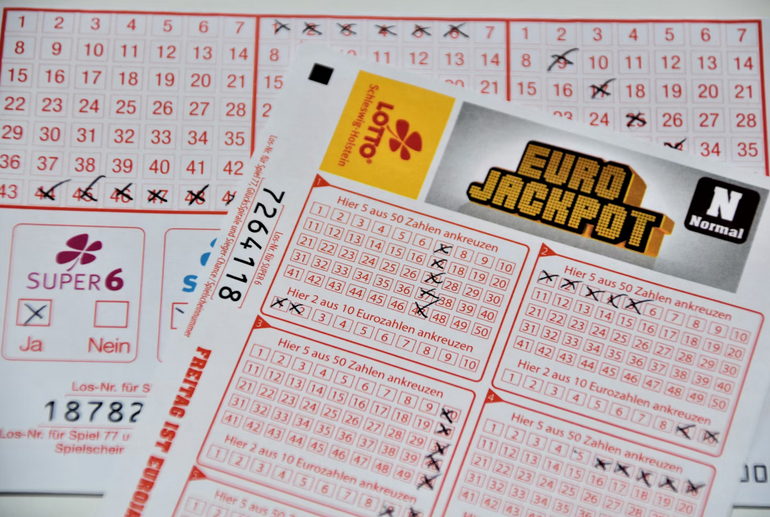
Math Geniuses Are Winning the Lottery: Here’s How You Can Too
Imagine this: a group of math whizzes, laptops on the table, strategically analyzing numbers as [...]
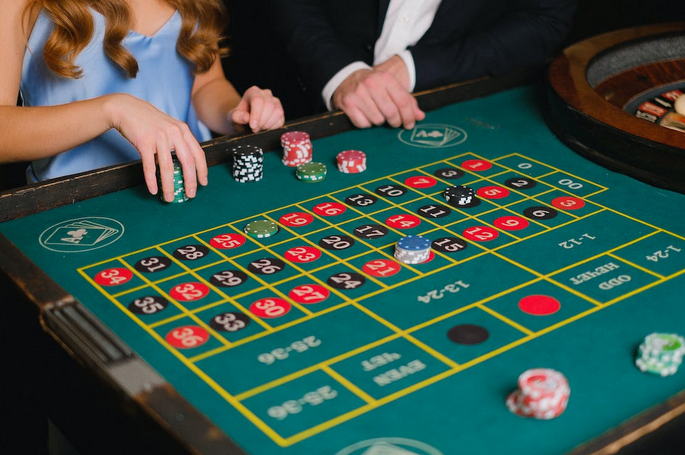
Ways to Make Casinos More Entertaining
Hey there, fellow casino enthusiasts. Let’s face it, sometimes going to a casino can get [...]
Surefire Ways to Tell If a Sportsbook Is a Scam
If you’re like most people, you love betting on sports. It’s a fun way to [...]